







Why Sarfaraz Ahmed Could Thrive as Pakistan Head Coach
Less than two months after stepping away from international cricket, Sarfaraz Ahmed has emerged as a serious figure in Pakistan’s coaching setup. The former captain only played for Pakistan as recently as late 2023 under Shan Masood, but even before his retirement, signs were already pointing towards a transition into a leadership role away from the field.
A few weeks before announcing his retirement, Sarfaraz travelled to Zimbabwe with Pakistan’s Under-19 side. Officially labelled as a mentor, his responsibilities stretched beyond symbolic duties. He was actively involved in coaching work, fitting into the often blurred roles that exist within Pakistan cricket’s backroom structure.
A familiar route in Pakistan cricket
Sarfaraz’s coaching background may not initially appear extensive enough for a major national role, especially considering he follows Jason Gillespie, whose elite-level coaching experience was heavily highlighted by PCB chairman Mohsin Naqvi at the time of appointment. However, Aqib Javed’s interim spell in the role has already shown that Pakistan’s approach towards coaching credentials can shift quickly depending on circumstances.
The pattern is hardly new. Seven years ago, Misbah-ul-Haq moved directly from captaincy into a powerful coaching position that also included chief selector and batting coach responsibilities. Misbah had replaced Mickey Arthur, a coach he himself had previously played under. Pakistan cricket’s decision-making process has long carried these unusual overlaps, and Sarfaraz’s rise fits naturally into that history rather than standing out as an exception.
That context matters because his appointment is less about a dramatic gamble and more about where Pakistan cricket currently finds itself. Coaching changes in the national setup rarely arrive without debate, but that alone does not automatically undermine Sarfaraz’s credentials.
Leadership remains Sarfaraz’s strongest quality
Sarfaraz’s reputation has always been tied more closely to leadership than individual statistics. Even as criticism around his batting and keeping increased towards the latter stages of his career, his tactical awareness and ability to manage personalities continued to keep him central to Pakistan cricket discussions.
His influence as T20 captain still shapes how many supporters remember him. After taking over from Shahid Afridi in 2016, Sarfaraz transformed Pakistan’s white-ball fortunes. The side climbed to No. 1 in the T20 rankings and won a record 11 consecutive T20I series during his leadership.
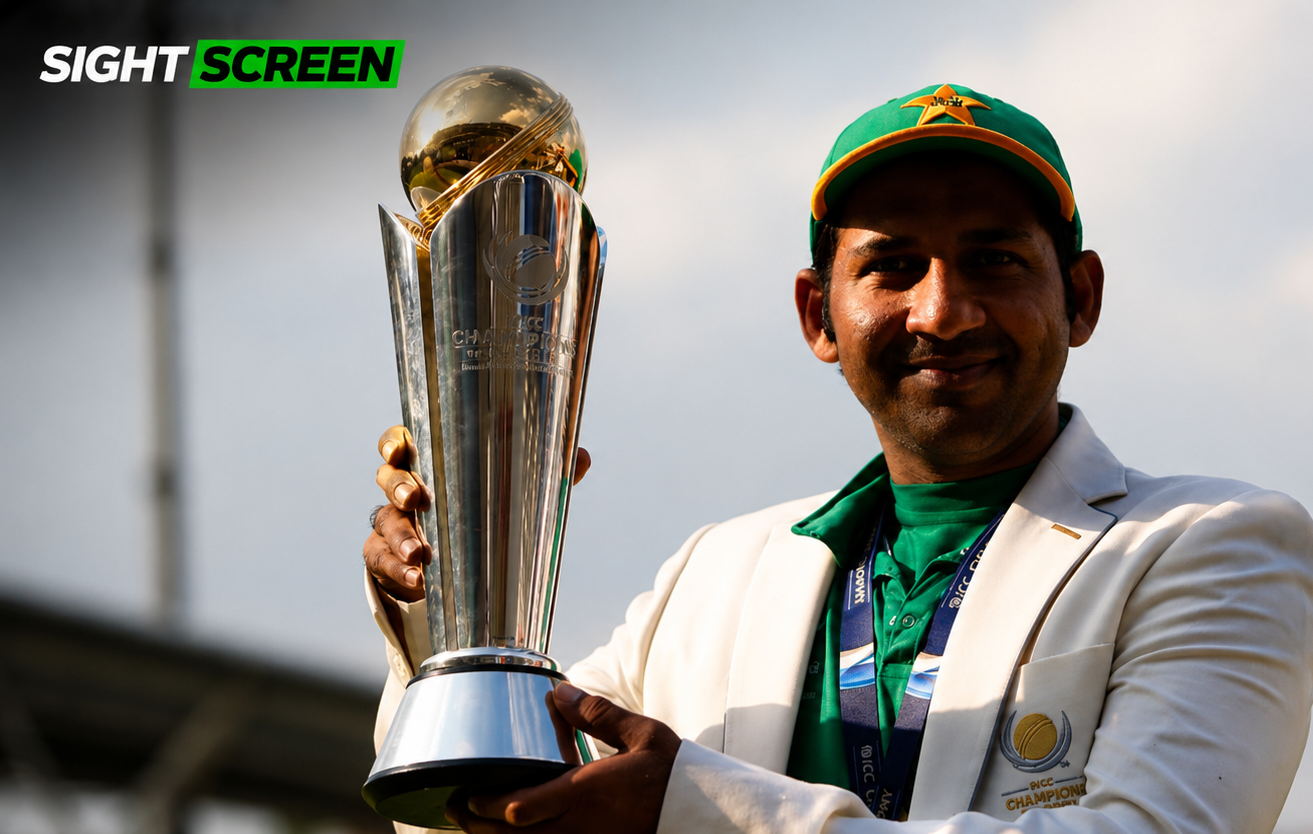
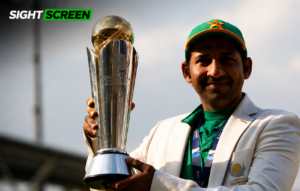
The Champions Trophy triumph remains another defining achievement. Sarfaraz is still only the second Pakistan captain after Imran Khan to lift a 50-over ICC title. While his Test captaincy period was less stable following Misbah’s retirement, the constant changes in leadership that followed also highlighted Pakistan’s lack of long-term captaincy options at the time.
That background explains why coaching could suit him naturally. His playing standards may have declined towards the end of his career, but the source article repeatedly points towards his value as a cricket thinker and dressing-room figure remaining intact.
Strong relationships could shape the transition
Sarfaraz’s connection with Shan Masood could become one of the most important aspects of this new chapter. Masood’s captaincy tenure has produced difficult periods, including the 2-0 home series defeat mentioned in the source, but Sarfaraz now provides him with a trusted and familiar voice inside the setup.
The article also highlights Sarfaraz’s willingness to work closely with younger cricketers. Before joining the boys’ Under-19 team, he spent time mentoring Pakistan’s Under-19 girls’ side, involving himself in drills, throwdowns and day-to-day activities more commonly associated with full-time coaches.
At the same time, not every relationship appears straightforward. The long-running competition between Mohammad Rizwan and Sarfaraz for the wicketkeeping role is acknowledged, while the article also notes tensions with Babar Azam after the latter replaced Sarfaraz as captain during a prolonged period where Sarfaraz remained out of the national side.
Even so, the source suggests those dynamics may now soften as Pakistan enters another period of transition. Sarfaraz appears to have arrived at a role that better suits the qualities that defined the strongest phase of his cricket career.
What this appointment could mean
The central point surrounding Sarfaraz’s rise is not simply that a former captain has become a coach. It is that Pakistan cricket continues to place value on leadership instincts, dressing-room management and familiarity with the national setup, even when traditional coaching pathways are less established.
If Sarfaraz can transfer the authority and tactical sharpness that defined his captaincy into the coaching environment, Pakistan may finally find stability in a role that has regularly changed hands in recent years.
Also check out:
Babar Azam ruled out of Bangladesh Test opener








Post Comment